Location: Bavaria Germany.
Input capacity: 12.000 ton annually
Input materials: Pre processed food and garden organics (fogos) by an anaerobic
digester (Bekon dry fermentation system)
Green and park waste
We want to describe the specific differences of the feedstock:
Munich operates a dry digester for biogas production.
In this system, the feedstock is transferred into a concrete tunnel, which is sealed
once it reaches its capacity.
A sprinkler system then distributes the microbe-containing liquid over the biomass,
dissolving energy-rich substances from the material.
This liquid circulates in a closed-loop system.
Archaea microorganism then convert these substances into methane, which is used
to fuel an engine connected to a generator.
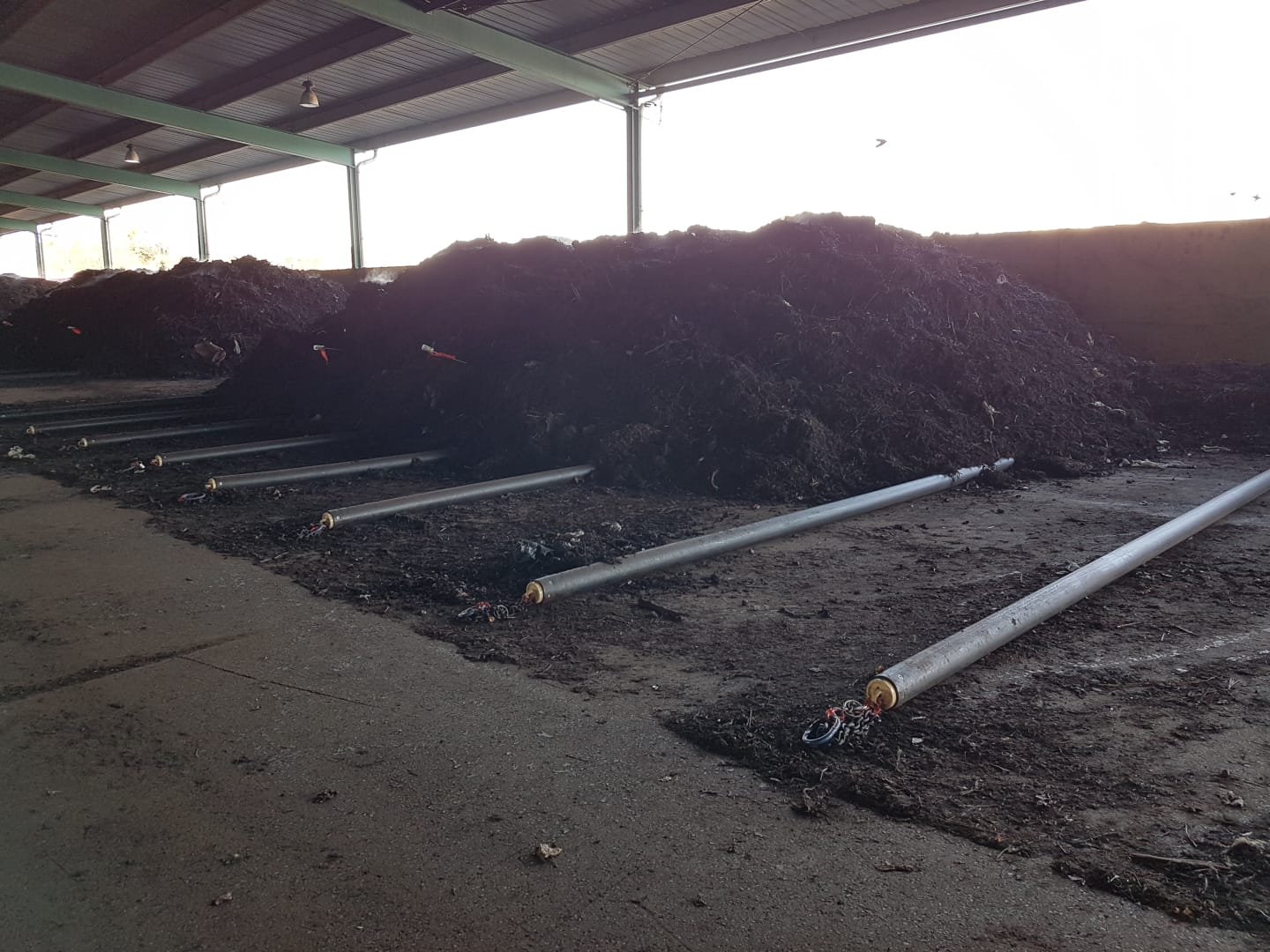
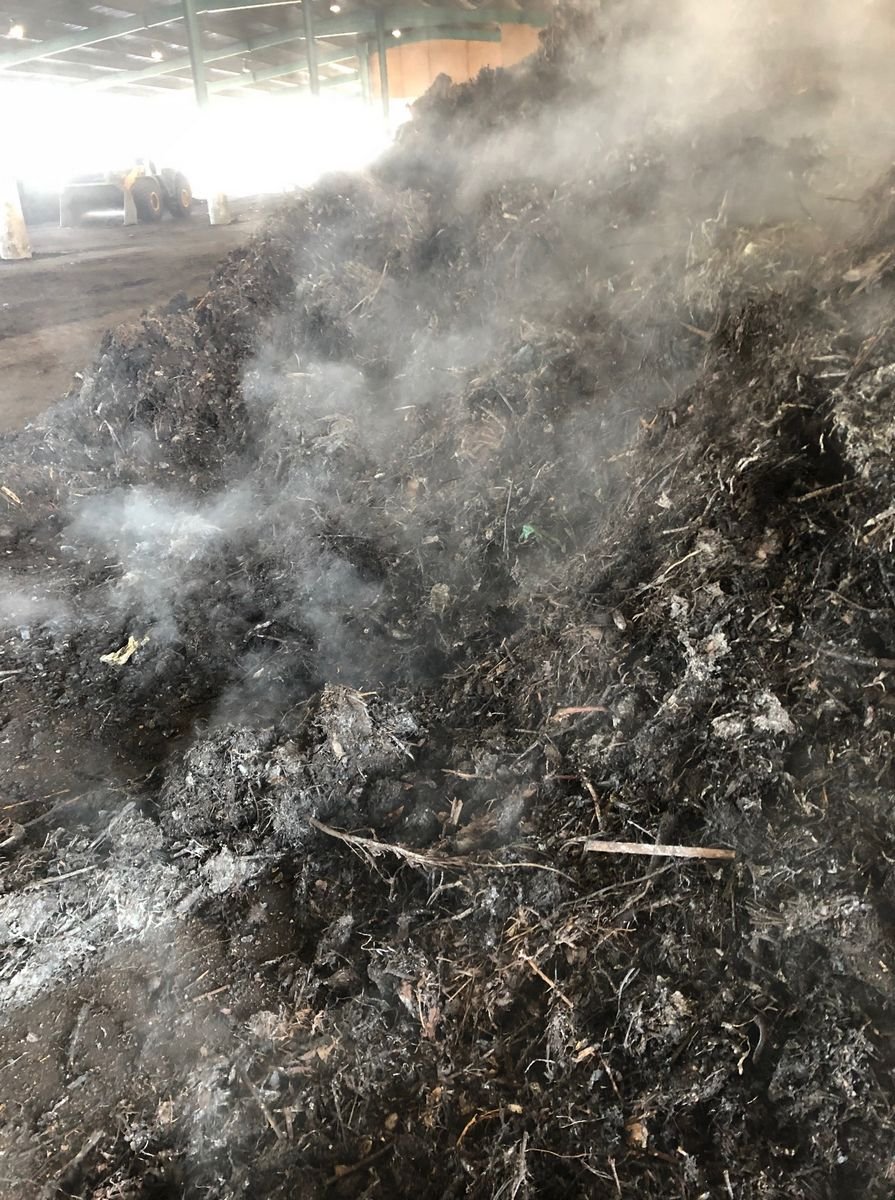
After six weeks of anaerobic digestion, the majority of the biomass remains.
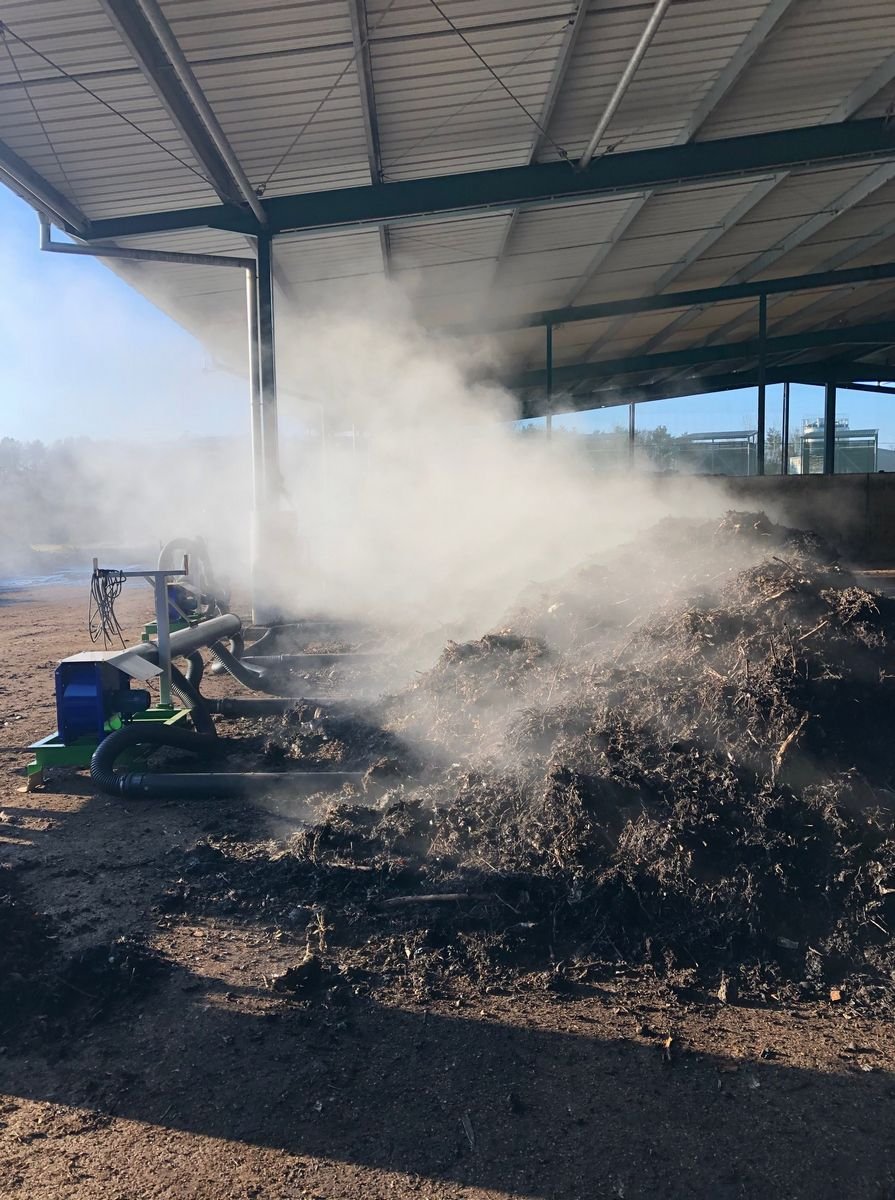
The residual material is over saturated with moisture due to percolation and must
undergo an intensive composting process to dry, pasteurise and oxygenate.
The MAF System is doing a great job for the department of waste management of
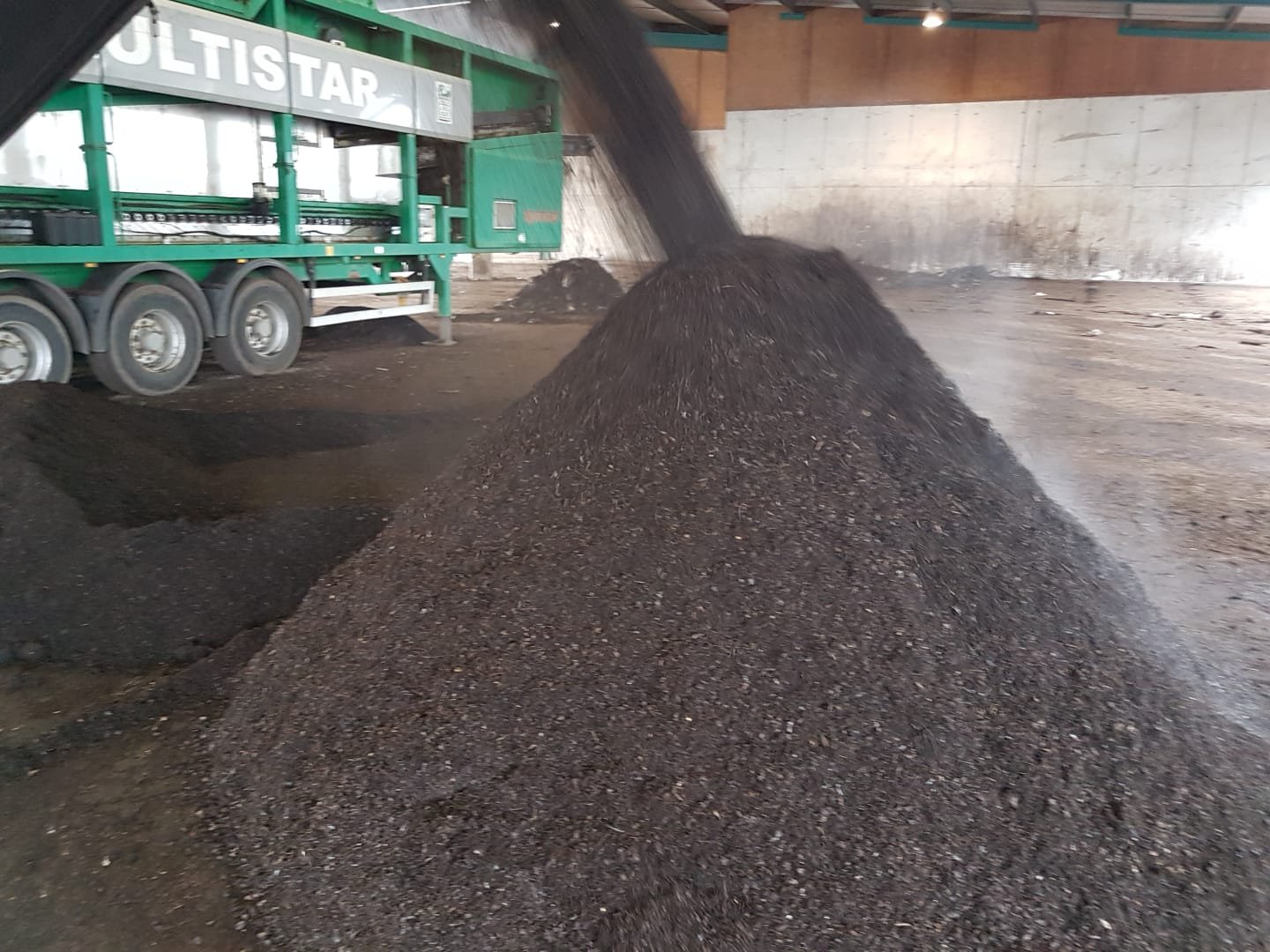
Vechta and the compost is a highly maturated and very rich product.
- Output: finished compost for multiple use
- Current operational systems: 12 MAF Units
Target of MAF composting system assessment:
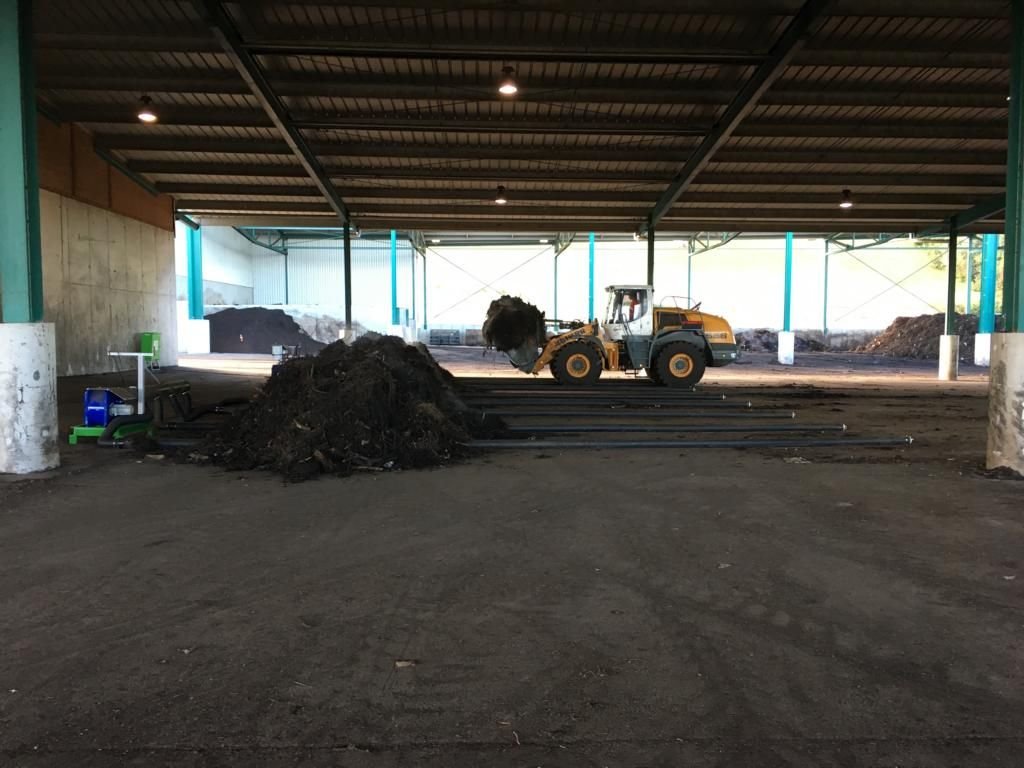
Converting the extremely wet digester residues into a marketable product within a
defined budget and using the existing infrastructure.
Results and conclusions:
The Department of Waste Management of Munich has been using the MAF system
since end of 2019, reflecting its successful implementation.
The finish product is of remarkable quality.